

Eye surgery
Eye Surgery in Istanbul
Vision procedures start with a detailed eye examination. I help you understand the main options, prepare your information for a preliminary review, and coordinate your visit to Istanbul.
Treatments I Can Help You Explore
Each option needs an individual assessment by a licensed surgeon.
Laser Vision Correction
- LASIK and Femto-LASIK — laser procedures that reshape the cornea to reduce dependence on glasses.
Lens Procedures
- Smart lens (trifocal) — replaces the natural lens with an artificial lens for near, intermediate, and distance vision.
- Cataract surgery — replaces a clouded natural lens with a clear artificial lens.
Good to Know
Laser vision correction such as Femto-LASIK is usually considered for adults whose prescription has been stable for about a year and whose corneal measurements are suitable. From around the mid-40s, near vision often changes as the natural lens loses flexibility; in that case, a lens-based option such as a trifocal lens may be discussed instead. Your eye surgeon confirms suitability after a detailed eye examination.
Laser or Lens: Understanding the Difference
Laser Vision Correction
LASIK, Femto-LASIK, and similar treatments reshape the cornea. They are usually considered for adults with a stable prescription and healthy corneas of sufficient thickness.
Lens Replacement
Smart lens or refractive lens exchange replaces the natural lens with an artificial one. It is often discussed after about age 40, or when laser correction is not suitable.
Cataract Surgery
Removes a cloudy natural lens and replaces it with a clear artificial lens. The lens type affects how much you may still need glasses.
Preparing for Your Preliminary Review
The more complete your first message is, the more useful the surgeon’s preliminary opinion can be. You decide what to share, and everything is handled confidentially.
- Your current glasses or contact lens prescription and how long it has been stable
- Recent eye examination reports, including corneal measurements if you have them
- Eye conditions such as dry eye, keratoconus, glaucoma, or previous eye surgery
- Whether you wear contact lenses; many clinics ask you to stop them for a period before your tests
- Your general health, any long-term conditions, and medicines or supplements you take
- Your preferred travel dates, so planning can start early
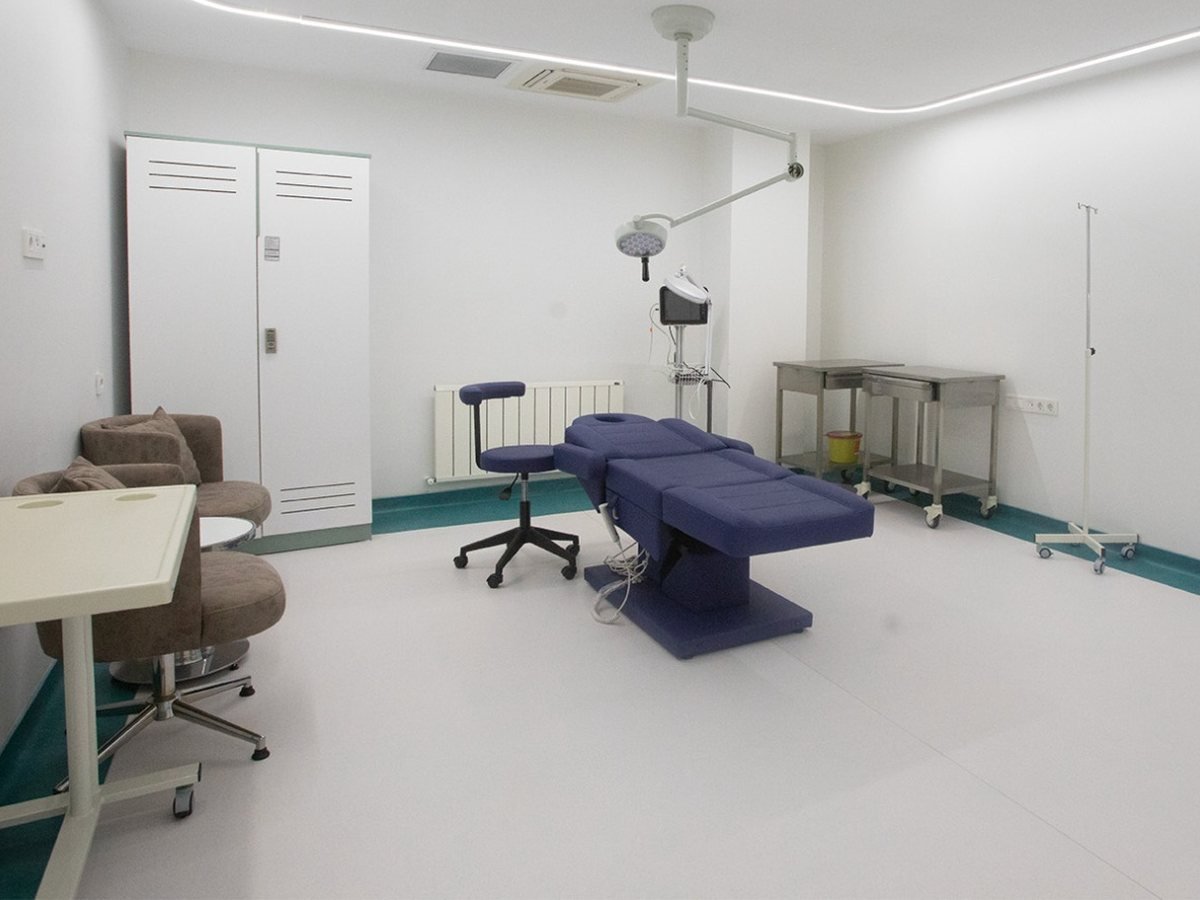
Travel & recovery
Planning Your Trip
- Ask your surgeon when you can fly and when you can return to screens, driving, swimming, and sports. Short trips are common for laser treatment, but follow-up checks are part of the plan.
- Bring sunglasses and plan for someone to accompany you on the day of the procedure.
- Ask before you book: where follow-up appointments take place, what happens if a complication occurs, and how aftercare is handled once you are home.
- Standard travel insurance usually does not cover complications from planned surgery. Check what the clinic and your own policy cover.
How I Help
Three clear steps, from your first message to follow-up.

1 — Share Your Goals
Tell me which treatment you are considering and, if you wish, share photos or medical reports.

2 — Preliminary Review
A licensed surgeon reviews your information and shares a preliminary opinion. This is not a diagnosis; the final plan follows an in-person examination.

3 — Plan, Travel, Follow-Up
If you decide to go ahead, I help organize appointments, share practical guidance on transfers and accommodation, and stay in touch after you return home.
More Eye Surgery Questions
Can a cataract come back after surgery?
The cataract itself does not return, because the clouded lens is removed. However, the thin capsule behind the new lens can become cloudy over time; this is common and is usually treated with a quick laser procedure.
Is a smart lens the same as cataract surgery?
The technique is very similar: the natural lens is replaced with an artificial one. With a trifocal (smart) lens, the aim is to reduce dependence on glasses for near, intermediate, and distance vision. Suitability depends on your eye examination.
How do I know which option is right for me?
A detailed eye examination, including corneal measurements, shows whether laser or lens-based correction is more suitable. Your eye surgeon explains the options for your eyes.
Can everyone have laser eye surgery?
No. Suitability depends on your age, a stable prescription, corneal thickness and shape, and eye health. Detailed tests at the clinic decide whether laser or lens surgery is the safer option.
Will I still need glasses after lens replacement?
It depends on the lens type and your eyes. Some people still need glasses for certain tasks. Ask your surgeon what to expect with each lens option.
Important
Eye procedures are medical decisions. Suitability, the final plan, and recovery are determined by the treating surgeon after an in-person examination. medtour.ist coordinates and guides; it does not provide medical treatment, and no result is guaranteed.

Ready to Explore Your Options?
Tell me which treatment you are considering. I’ll help you understand what information is needed and guide you toward the appropriate next step.